

Read with MEE
Handbook with information and tips on language development in young multilingual children
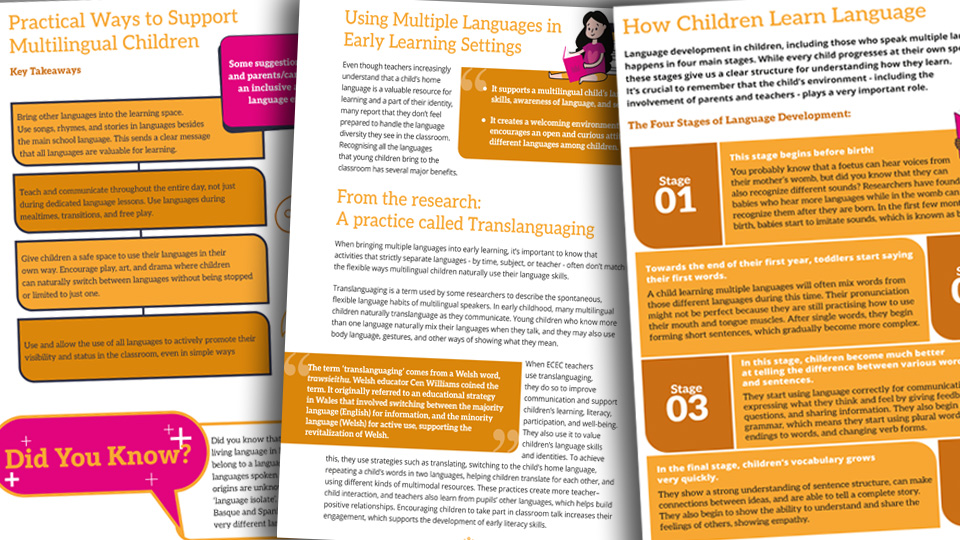
Early language development
The handbook provides more information about early language development in children, and in particular how this works when children are raised multilingually. Information and tips about reading skills, reading aloud and storytelling are given a lot of attention. The handbook has a strong scientific basis, but is written in plain language without technical jargon to make the theory as accessible as possible.
More than 60 people from all over Europe attended the online launch. Speakers from NHL Stenden University of Applied Sciences and Trinity College Dublin (IE) talked about the content and development of the handbook. In addition to theory and practical tips, the handbook also provides practical examples from various European countries to inspire others. For example, the Frisian Children's Book Ambassador and the Lês-mar-foar weeks are highlighted.

For free
The handbook can be downloaded free of charge as a PDF file from the project website.
Please note: in the coming period, the project team will be working on translations of the handbook into several languages, including Frisian, Dutch, Irish, Basque and Spanish!
About Read with MEE
The Erasmus+ project Read with Multilingual Early Education (Read with MEE) will develop innovative tools and resources to advance key literacy skills of young multilingual children (2-6 y/o). The project responds to a pressing challenge, since children who grow up multilingually often face unequal educational opportunities compared to their monolingual peers. In order to support the development of multilingual children’s early literacy skills, the project promotes the use of children’s home languages during reading as well as the use of a dialogic reading approach. By including their home languages in reading, the Read with MEE project focusses on key European priorities, such as inclusion and diversity in education, and the tackling of children’s low proficiency in basic skills.
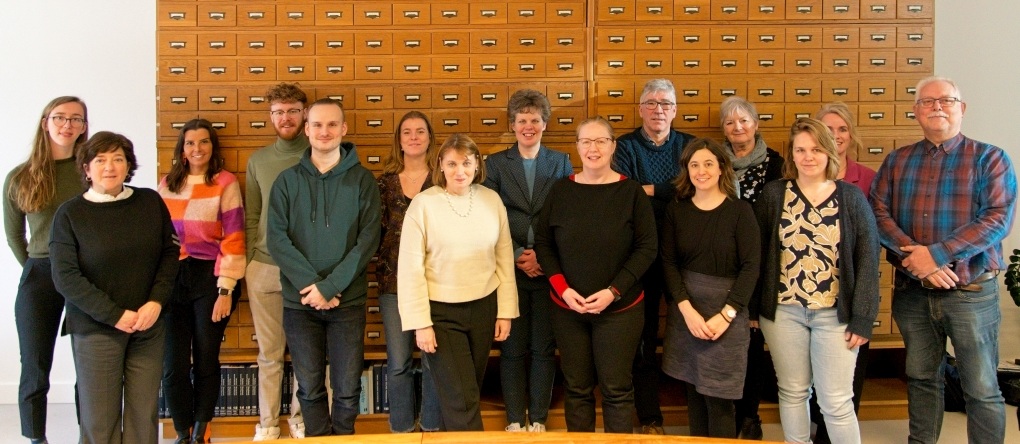
Read with MEE is a cooperation between six partners representing the Netherlands, Belgium, Ireland, and Spain. They are ATiT (BE), NHL Stenden University of Applied Sciences (NL), 8D (NL), Trinity College Dublin (IE), University of the Basque Country (ES) and of course the Mercator Europeesk Kennissintrum foar Meartaligens en Taallearen (Fryske Akademy) in Leeuwarden/Ljouwert (NL).
Read more information at Mercators project page or on the Read with MEE website.